Buy your weekday smoothies and get your weekend ones for free. (7 for the price of 5!)
WELLNESSWEEK
Are you old enough to drink whiskey?
You must be of legal drinking age in your respective country for entry. By entering you accept our Terms and Conditions and our Privacy & Cookie Policy. We encourage drinking responsibly.

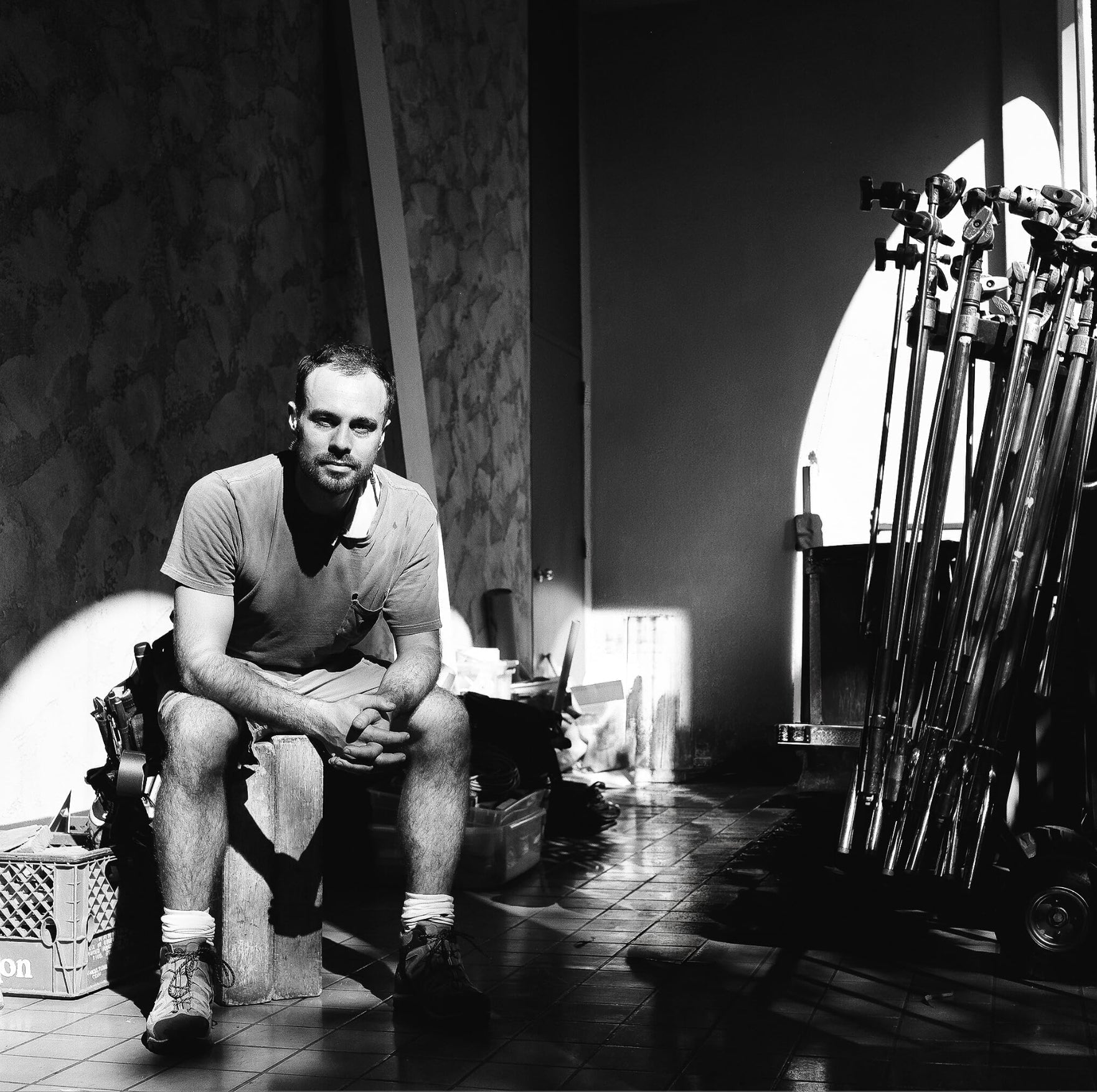
There were simply cameras in our house in Germany. They belonged to my father, but I was always reaching for them, taking photographs, making small films, recording whatever was around me. I cannot remember deciding that I loved it. The instinct was there before I had language for it. It felt less like discovering a vocation than recognizing something I had always known.
By the time anyone thought to ask what I wanted to become, the answer had already been true for years.
I left Germany at eighteen, almost immediately after finishing school. I wanted to go to Los Angeles because, in my imagination, that was where cinematographers lived. I understood very little about the practical distance between the life I had and the life I wanted. I had no degree, very little money, and no meaningful idea of how someone actually entered the film industry.
None of that seemed like a reason not to go.
My father wanted me to attend university. My mother told me she would support whatever I chose. I took the answer that gave me permission to leave.
Los Angeles would have to wait.
I went to Australia first.
For a while, the life I was living bore almost no resemblance to the one I had imagined. I worked on farms. I worked at wine festivals. I took the jobs available to me and tried to keep moving forward, even when I could not see exactly where forward was.
The ambition was still there, but it was private. I had no formal training, no industry connections, and nothing substantial enough to confidently call a portfolio. I knew what I wanted to do. I simply did not know how to place myself close enough to begin doing it.
Then my sister, Kathrin, asked me a very simple question.
“Why don’t you just apply to a production company?”
It was such a simple suggestion that it exposed how unnecessarily complicated I had made the problem. I had been waiting to become qualified before asking for an opportunity. Kathrin’s question made me consider that perhaps the asking came first.
From that point on, I had a new philosophy: Fuck it. Just do it.

Honestly, the Ranchero shoot gave me one of those. We spent the day out on the ranch, and there's a point on every good shoot where you stop chasing the shot and the place just starts giving it to you: nobody's performing anymore, and you know the frame is true. That day had a lot of those.
FROM THE FIELD
Field Dispatches are notes from the country that shapes Ranchero. The people, the work, the places where things are still made by hand and made well.
We share these stories because the spirit in the bottle isn't separate from the spirit of the land. One pours from the other.
RANCHERO FIELD MANUAL, EST. 2026
Get the latest from Ranchero: new releases, events, and dispatches from the field.